14 March 2026
How We Cook The Pearls
We cook one batch of tapioca pearls a day, and the clock matters more than the recipe.
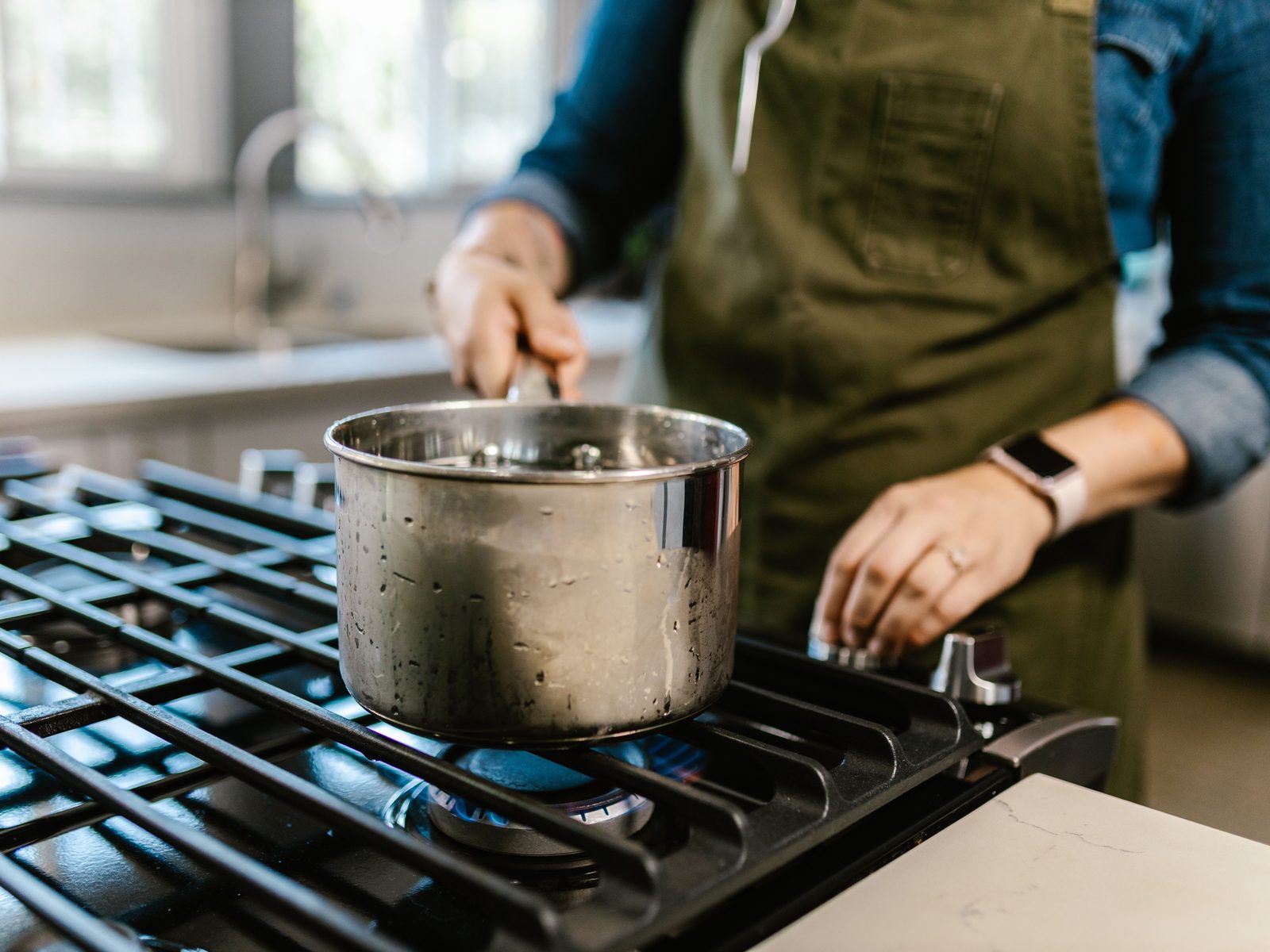
We cook one batch of pearls a day. Not two, not half a batch held back for the evening rush. One pot, once, in the morning before we open. If we cook a second batch later, the texture is never the same as the first, so we just don't sell pearls past whatever the morning pot gives us.
The pearls go into a large pot of already boiling water, not warm water, not a slow heat up. They go in loose so they don't stick to each other on the way down. From the moment the water comes back to a boil, we time 25 minutes on a wall timer next to the stove, not a phone timer, because phones get picked up mid shift and the timer gets lost in a notification.
After the 25 minutes we turn the heat off completely, put the lid on, and let the pot sit for another 20 minutes. This is the part most people skip when they try to cook pearls at home, and it's the part that actually cooks the center. If you pull pearls straight off a rolling boil, the outside is soft and the middle is still a hard white dot. The lid-on rest finishes that center using the heat already in the pot instead of more direct boiling, which would blow out the skin.
So the full cycle is 45 minutes from drop to done, and none of it is something you can rush by turning the heat up higher. We tried that in the first month. Cranking the boil doesn't cook the center faster, it just breaks the skins on the outer layer of pearls and turns the water cloudy and starchy, and the whole batch comes out mushy on the outside.
The color comes from brown sugar, not dye. We cook the pearls in plain water, then once they're drained we toss them straight into a hot brown sugar syrup while they're still steaming. That's what gives them the dark, almost black color and the sticky coating. A shop using white tapioca starch with no brown sugar step will have pale, grey looking pearls no matter how long they cook them.
Here's the part that actually shapes our whole morning. Cooked pearls are only good for about 4 hours before they start to harden and lose the chew. So the 25 minute boil isn't just a recipe step, it's the reason we have to start prepping before the doors open, and it's the reason a pearl milk tea ordered at 2pm might come from a second small batch if the first one is running low. We'd rather run out of pearls for twenty minutes than serve one that's gone stiff.
New staff always ask if we can just make more at once and freeze it, or par-cook a big batch the night before. We tried freezing pearls once. They come out of the freezer with a grainy texture, almost sandy, because the starch structure breaks down in the cold. So no shortcuts there either. It's a pot, a timer, a lid, and someone standing near the stove at 8am.
If you've ever had a bubble tea where the pearls felt like little rocks at the bottom of the cup, that's almost always a timing problem, either undercooked in the middle or pearls that sat too long after cooking. Once you know what to time for, it stops being a mystery and just becomes the first thing on the morning list.
Back to the journalKeep reading