6 May 2026
What's Actually In Our Brown Sugar Syrup
Two ingredients, no shortcuts, and a syrup that has to hit a real temperature before it's done.
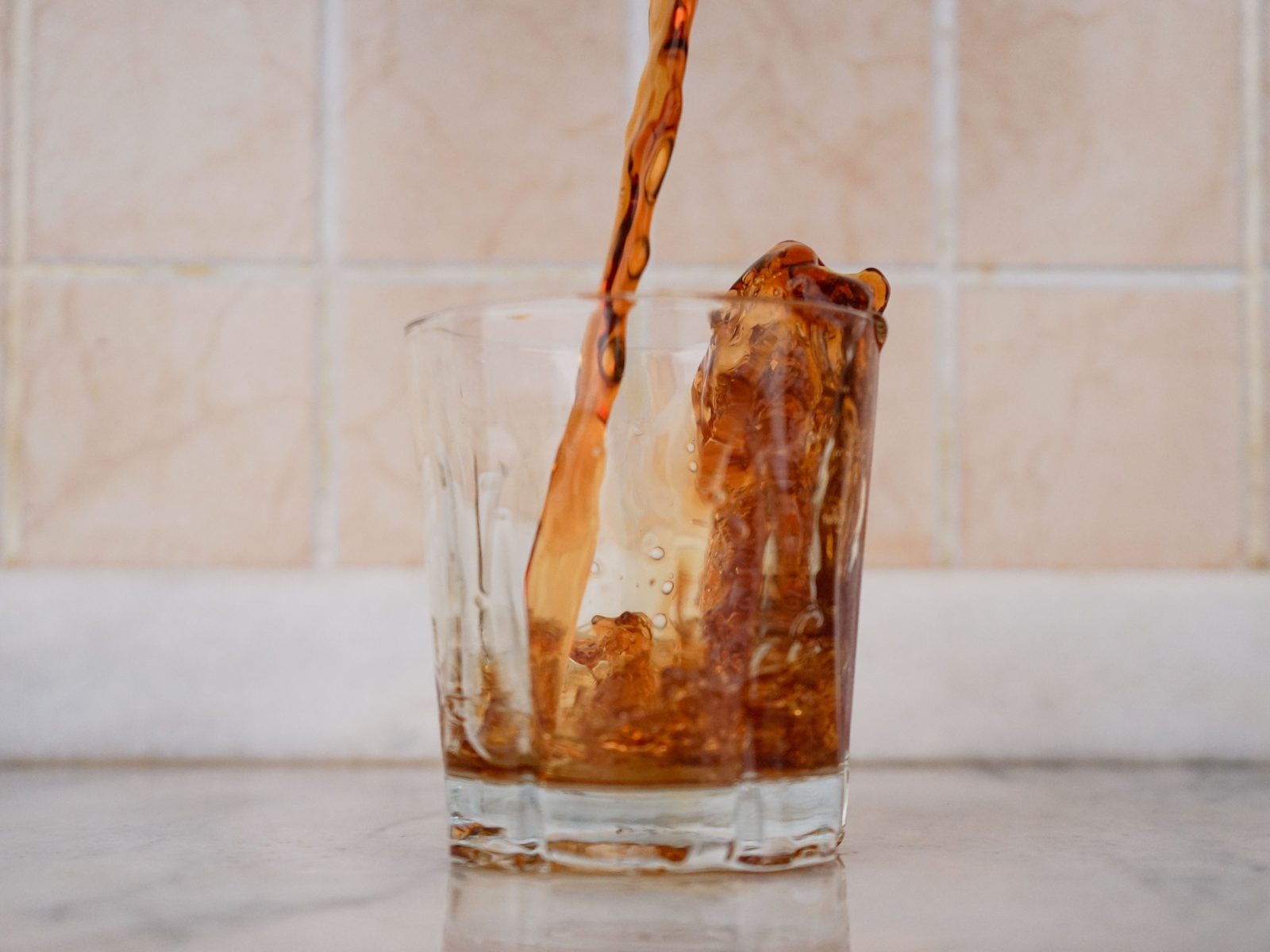
Our brown sugar syrup has two ingredients. Brown sugar and water. That's the whole list. No corn syrup to keep it from crystallizing, no molasses added back in to fake a deeper color, no caramel coloring. If a shop's syrup is jet black instead of a deep amber brown, there's usually something in it besides sugar and water.
We combine the sugar and water in a 1:1 ratio by weight, not by volume, because sugar and water don't pack the same way a cup of flour and a cup of water do. Getting the ratio wrong by eye either leaves the syrup too thin to coat the inside of a cup, or so thick it seizes into a solid block before it even cools.
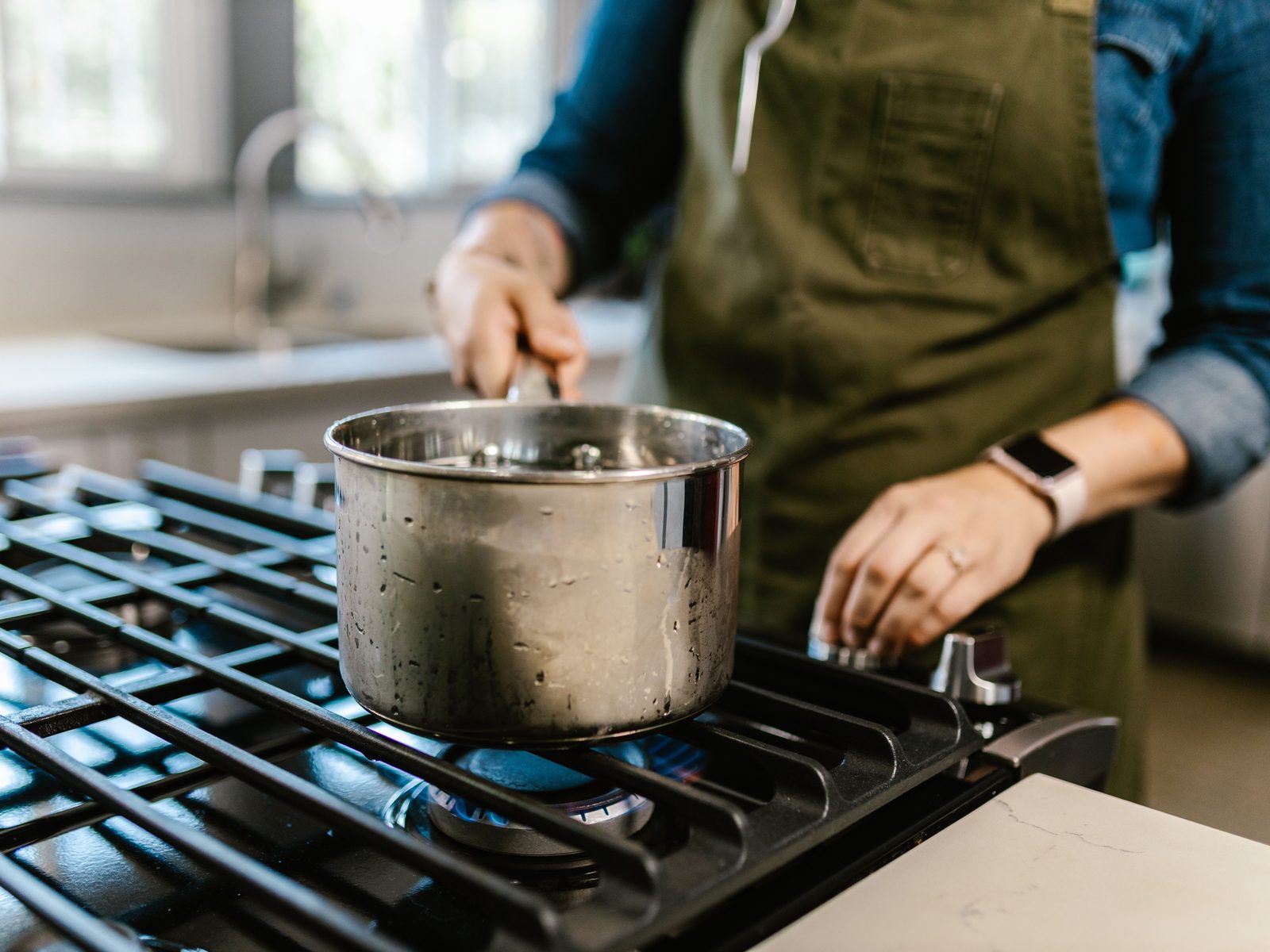
The mix goes into a pot on medium heat, and we don't touch it for the first several minutes while the sugar fully dissolves. Stirring too early just splashes sugar crystals up onto the sides of the pot, and those crystals can seed the whole batch into crystallizing early, which turns the syrup grainy instead of smooth.
Once it's dissolved, we let it simmer until it reaches about 220 degrees Fahrenheit, which is 104 degrees Celsius, measured with an actual candy thermometer clipped to the side of the pot, not guessed by how it looks. Water alone boils at 212 degrees Fahrenheit at sea level. Getting the syrup up those extra 8 degrees past plain boiling water is what pushes enough water out of the mix to actually thicken it into syrup instead of leaving it as sweet water.
If you pull it early, before it hits temperature, it looks done because it's hot and a little thick, but once it cools to room temperature it's thin and runny, more like a sugar water than a syrup. If you leave it too long past 220 degrees, it starts creeping toward the next candy stage and can turn brittle and hard once it cools, which is useless for drizzling down the inside of a cup.
The tiger stripe look, the dark drips running down the inside of a clear cup before the milk goes in, only works at the right thickness. Too thin and it just slides straight to the bottom and mixes in before anyone sees it. Too thick and it won't move down the glass at all, it just sits in one clump. 220 degrees is the number that gets it moving at the right speed, slow enough to hold a stripe, loose enough to actually flow.
We make syrup in small batches, roughly enough for a single day, because it does start to thicken further and lose that pourable texture after sitting for more than about a day in the fridge. Making one giant batch to last a week would be easier on the morning schedule. It would also mean serving syrup that's past its best texture by day three, so we just don't do it.
Back to the journalKeep reading